
Kotagede, Yogyakarta
Your Gateway to
Unforgettable
Indonesian Experiences
Discover the living soul of Indonesia through its vibrant cultures, rich social heritage, and timeless stories—guided by a trusted local expert.
 Contact Us
Experienced Local Guides
Led by local residents who grew up in Kotagede and have an in-depth knowledge of its history and culture.
Small Groups & Private Tours
Join a small group tour for a more intimate and interactive travel experience.
Cultural Depth
Go beyond sightseeing and gain deeper insight into local traditions, crafts, and everyday life.
Featured Tour Packages
Choose an experience that matches your interests. All packages can be customized to suit your group's needs.
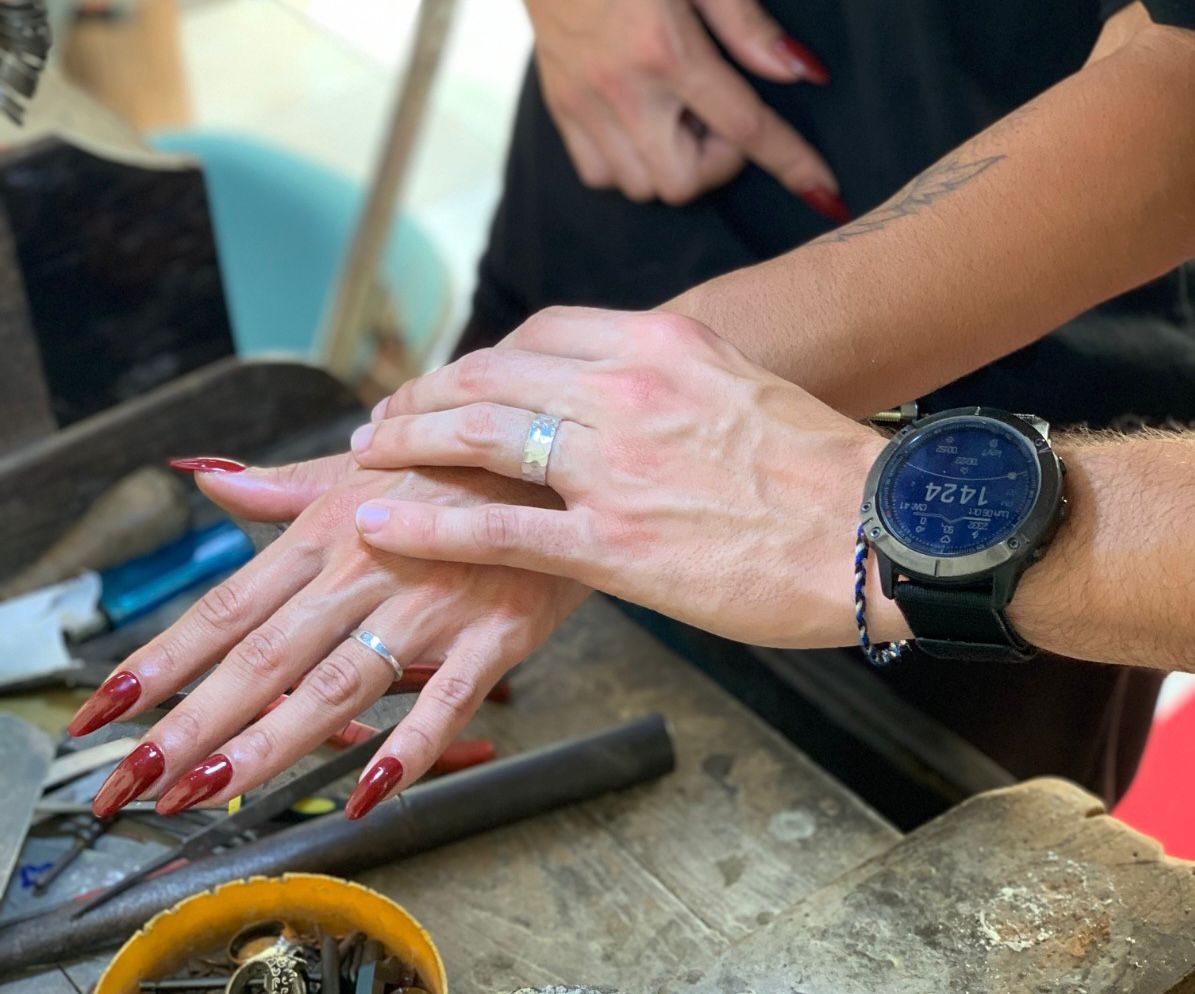
Kotagede Silver Jewelry Making Workshop – Design & Make Your Own Silver in Yogyakarta
Create your own silver jewelry in Kotagede, Yogyakarta — the historic Silver City of Java.
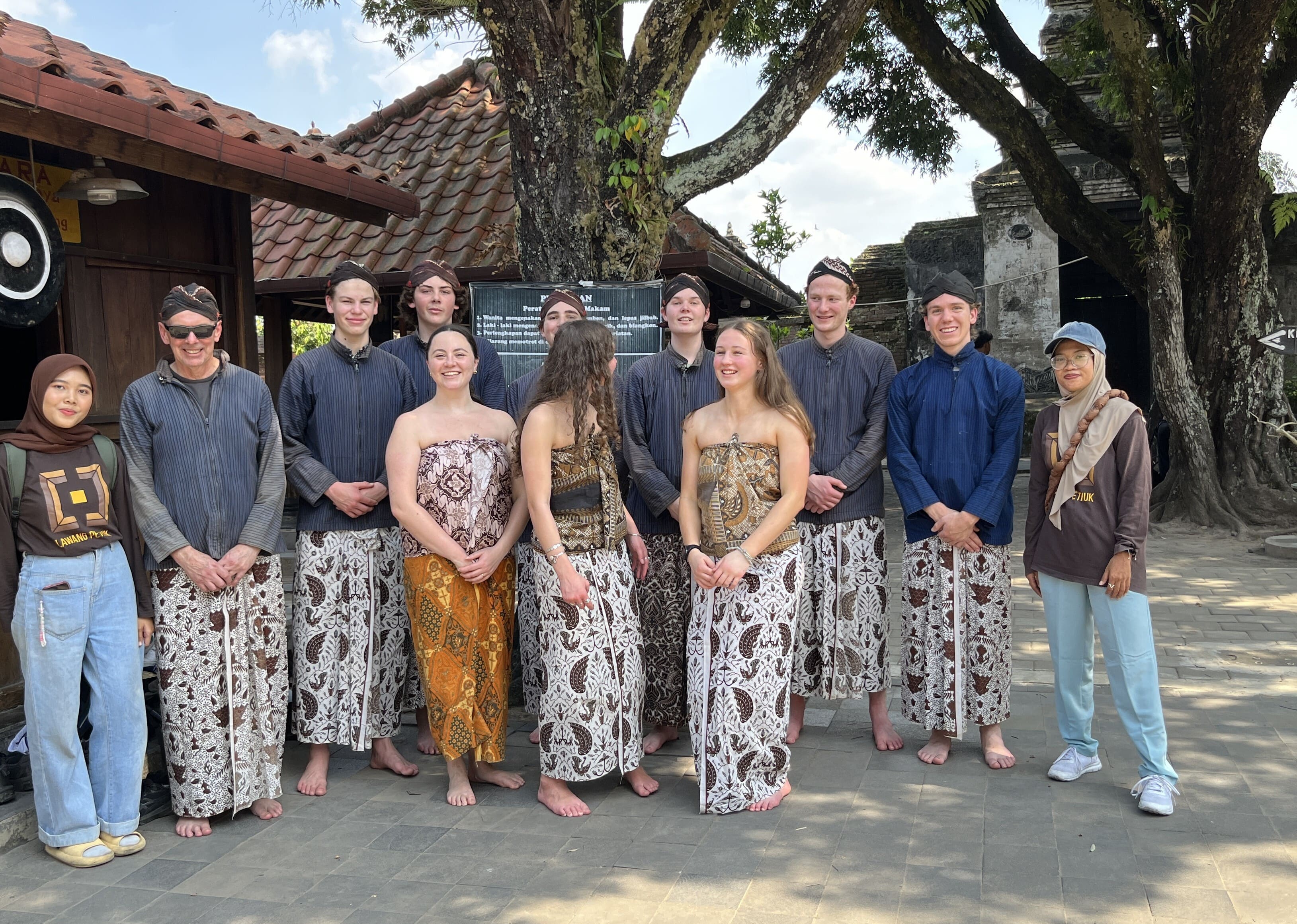
Kotagede Walking Tour
Walk through the living heritage of Kotagede and discover how history, culture, and local livelihoods are woven into everyday life.
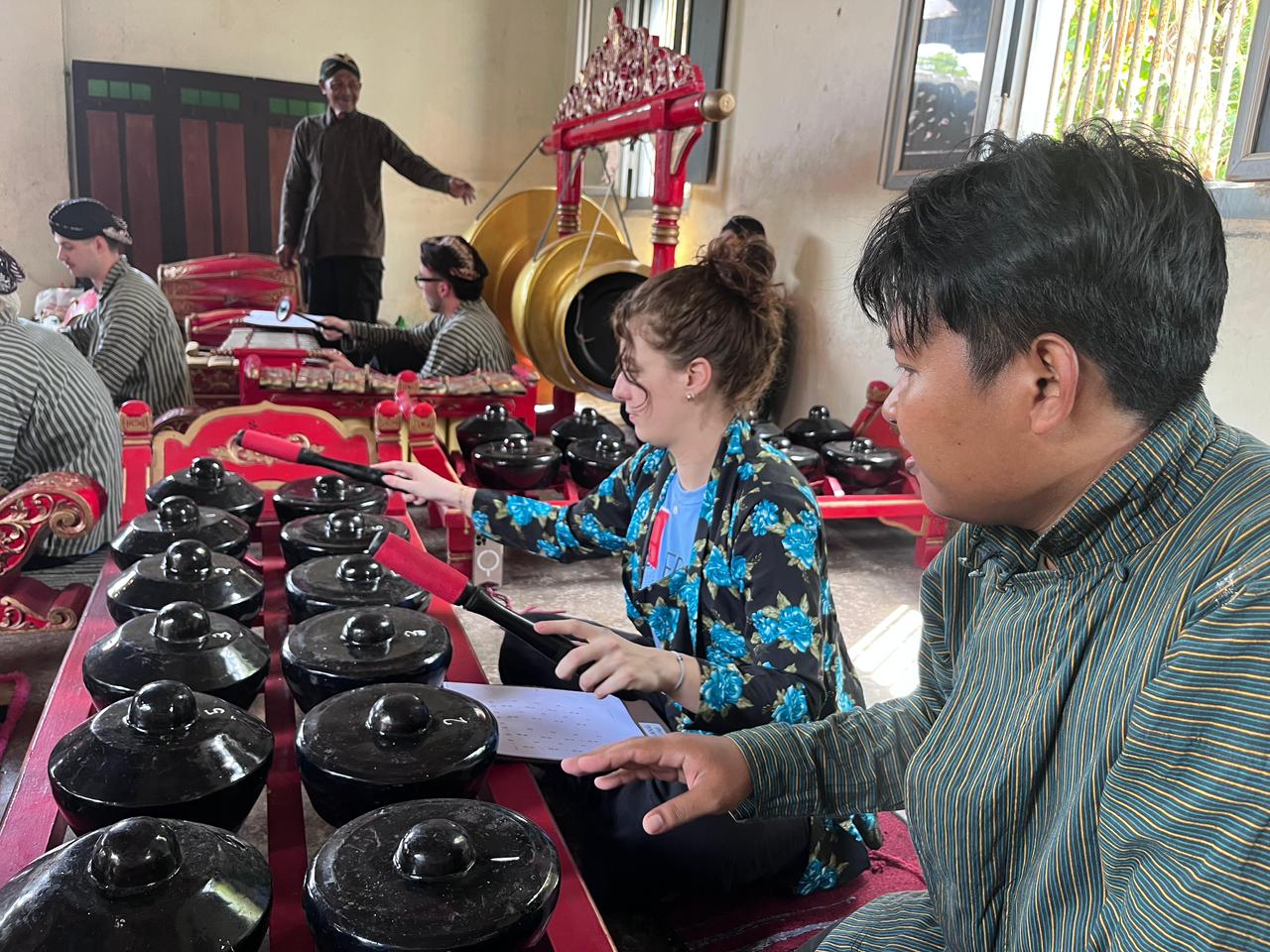
Gamelan Folk Music Experience
enjoy an intimate Javanese gamelan practicing experience in a historic traditional Joglo house
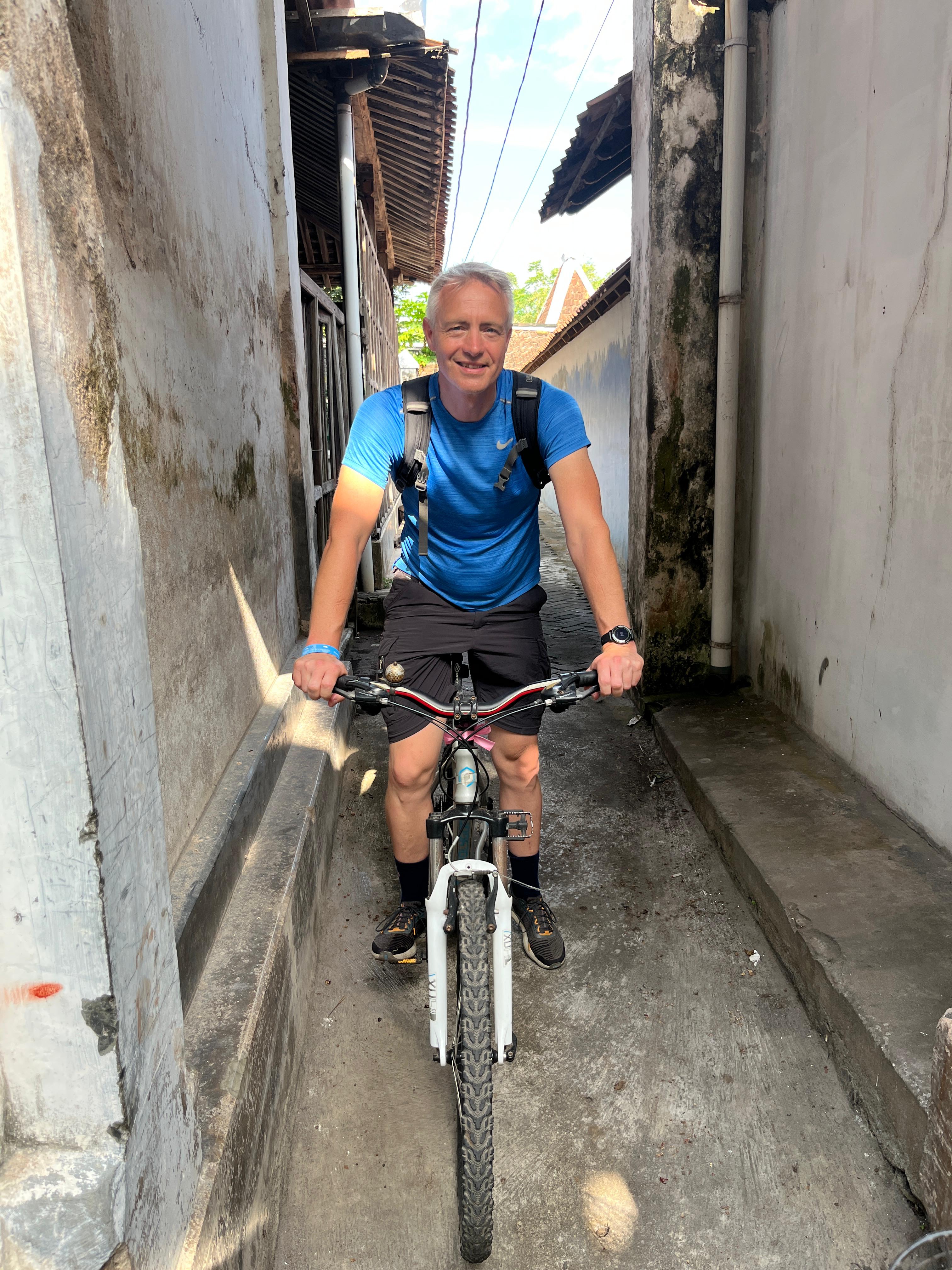
Kotagede Cycling Tour
explore Kotagede with all its unique features such as small alleys, architecture, community and cultural treasures, traditional house, environmental architecture, and cultural environment with bicycle
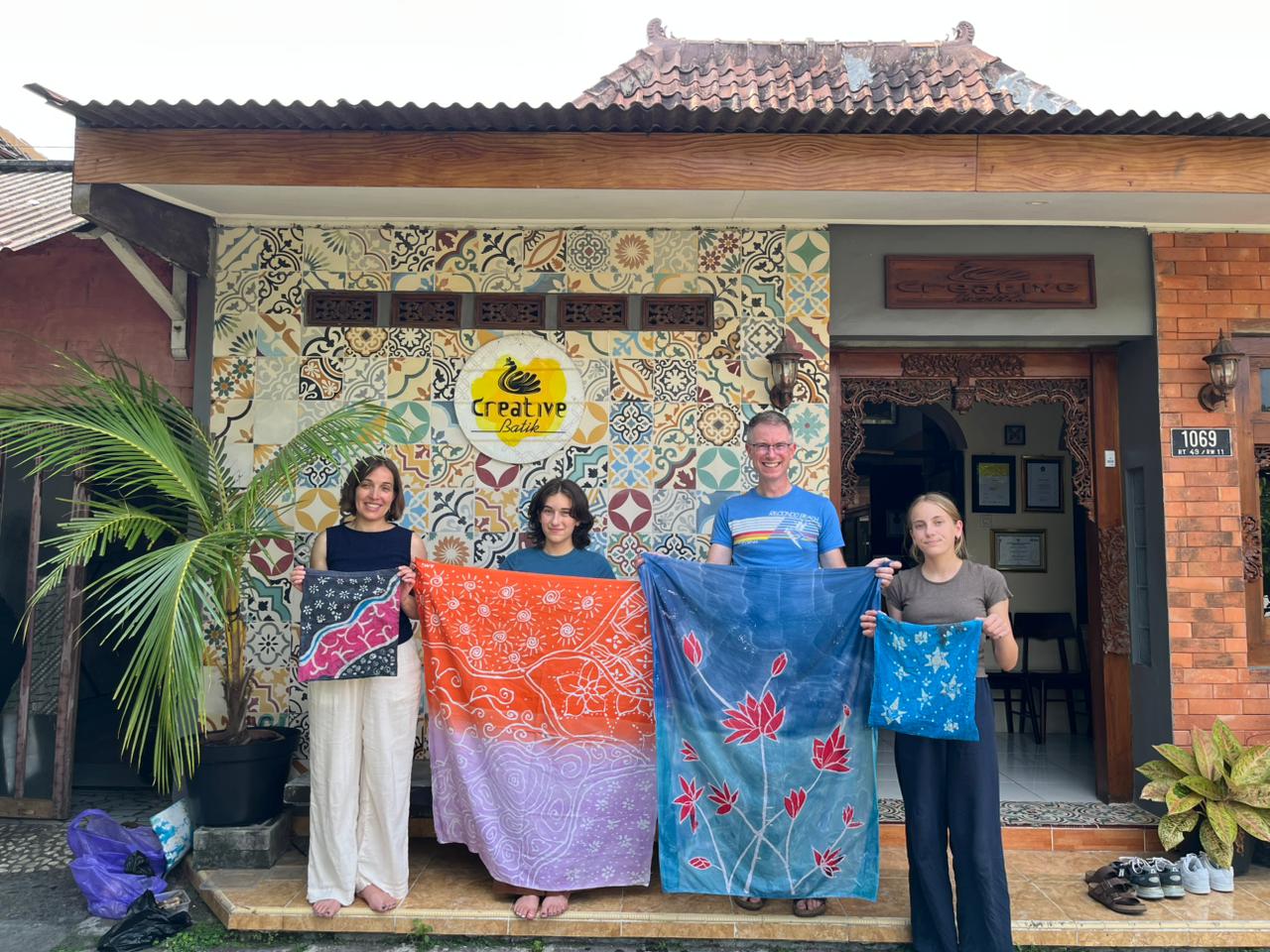
Batik Making Experience with a Local Artisan
Experience the authentic Batik making with a local artisan
How to Book
A simple and straightforward booking process in just three steps.
Choose a Package
Browse our available tour packages and choose one that suits your interests and schedule.
Fill Out the Booking Form
Please provide your personal and booking details. We will contact you as soon as possible to confirm your booking.
Payment & Confirmation
Follow the payment instructions and send us your proof of payment. Your booking will then be confirmed!
Latest Articles
Indonesia travel tips, cultural stories, and insights
Yogyakarta Palace: Discover the History and living Traditions of java
Yogyakarta Palace: Discover the History and Living Traditions of Java When visiting Yogyakarta, Indonesia, there is one place that offers a deeper understanding of the city's identity: Yogyakarta Palace, locally known as Keraton Yogyakarta. More than a historical landmark, the palace is a symbol of Javanese cultural heritage and royal tradition. It reflects a way of life shaped by centuries of history, philosophy, art, and relationships between the royal court and the surrounding community. Located in the heart of Yogyakarta, the palace remains closely connected to the city's cultural identity. Its traditional architecture, ceremonial practices, and artistic traditions offer visitors a glimpse into the values that have shaped Javanese society. For international travelers interested in history and culture, visiting Yogyakarta Palace is an opportunity to discover a side of Indonesia that goes beyond its famous temples and natural attractions. So, what makes this royal palace special, and what can you discover during your visit? The History of Yogyakarta Palace Yogyakarta Palace was established in 1755 by Sultan Hamengkubuwono I, following the Treaty of Giyanti, which divided the Mataram Sultanate. The palace became the center of the newly established Yogyakarta Sultanate and an important political and cultural institution in Java. Over the centuries, the palace has witnessed significant changes in Indonesian history, including the colonial period, the struggle for independence, and the development of modern Indonesia. Yogyakarta itself played an important role during the Indonesian National Revolution. From 1946 to 1949, the city served as the capital of the Republic of Indonesia while Jakarta was under Dutch control. The Sultanate supported the Indonesian independence movement, and Sultan Hamengkubuwono IX became an important figure in the country's struggle for sovereignty. Today, the palace continues to serve as the residence of the Sultan of Yogyakarta and a center for preserving Javanese cultural traditions. Understanding this history helps visitors appreciate that Keraton Yogyakarta is not simply a monument from the past. It remains part of the city's living cultural and social landscape. Discover the Beauty of Traditional Javanese Architecture One of the most fascinating aspects of Yogyakarta Palace is its traditional Javanese architecture. The palace complex consists of various courtyards, pavilions, halls, and other structures designed according to traditional Javanese principles. Many buildings feature joglo-inspired forms, open spaces, wooden structures, and distinctive roof designs. These architectural elements are not merely decorative; they also reflect ideas about social order, harmony, and the relationship between people and their environment. The arrangement of spaces within the palace reflects different functions and levels of access. Some areas were historically associated with royal ceremonies and official activities, while others served residential or supporting functions. As you walk through the palace complex, take time to observe the details: the carved wooden elements, traditional ornaments, carefully arranged courtyards, and the relationship between buildings and open spaces. These details reveal how architecture can communicate cultural values without relying on written explanations. For travelers interested in design, history, and traditional craftsmanship, the palace offers an opportunity to appreciate the depth of Javanese architectural heritage. Understand the Role of the Sultan in Yogyakarta The Sultan of Yogyakarta occupies a unique position in Indonesian society. Unlike many royal institutions that exist primarily as cultural symbols, the Yogyakarta Sultanate has a special status within Indonesia's system of government. Yogyakarta is a Special Region, and the Sultan traditionally serves as its governor under the region's special legal framework. This arrangement reflects the historical relationship between the Yogyakarta Sultanate and the Republic of Indonesia. The Sultan's role extends beyond ceremonial responsibilities. The institution remains connected to regional governance, cultural preservation, and the continuity of local traditions. For visitors, learning about the Sultan's position provides important context for understanding why the palace continues to play a significant role in contemporary Yogyakarta. It also illustrates how traditional institutions can adapt to modern political structures while maintaining their historical identity. Explore Javanese Philosophy and Symbolism Yogyakarta Palace is not only a place of historical importance; it also reflects philosophical ideas that have influenced Javanese culture. Traditional Javanese thought often emphasizes harmony, balance, self-discipline, and the relationship between human beings, society, and the natural world. These ideas can be reflected in the design of spaces, ceremonial practices, and the symbolic meanings associated with particular objects and traditions. The palace's broader cultural setting is also connected to the philosophical concept of Sangkan Paraning Dumadi, commonly understood as a reflection on the origin and destination of human existence. However, the meanings of particular symbols and traditions can vary according to their historical and cultural context. Visitors can gain a deeper understanding by learning from knowledgeable local guides or palace cultural interpreters. Rather than viewing the palace only as a collection of old buildings, consider it a place where architecture, ritual, and philosophy come together. This perspective makes a visit more meaningful, especially for travelers interested in the ideas and values behind Javanese traditions. Experience Traditional Javanese Arts and Performances Yogyakarta has long been an important center for traditional Javanese arts, and the palace plays a significant role in preserving these traditions. Depending on the schedule and activities available during your visit, you may have the opportunity to encounter traditional music, dance, or other cultural performances associated with the palace. One important tradition is gamelan, an ensemble of traditional instruments that often accompanies dance, ceremonial events, and other forms of performance. Javanese classical dance is another distinctive art form, combining carefully controlled movements, expressive gestures, traditional costumes, and musical accompaniment. These performances are not simply entertainment. They are also ways of transmitting cultural knowledge, aesthetic values, and historical narratives from one generation to another. If you have the opportunity to watch a performance, pay attention to the relationship between movement, music, costume, and the overall atmosphere. Each element contributes to an artistic tradition that has developed over many generations. Travel tip: Cultural activities and performance schedules may vary. Check the palace's current visitor information before planning your visit around a particular performance. Discover the Traditional Customs of the Royal Court Royal traditions remain an important part of Yogyakarta's cultural identity. Throughout the year, the palace is associated with various ceremonies and cultural observances that reflect the history and beliefs of the Yogyakarta Sultanate. One of the best-known traditions is Garebeg, a royal ceremony associated with important Islamic celebrations. During Garebeg, ceremonial offerings known as gunungan are presented in a procession. The gunungan, which are arranged in the form of a mountain, symbolize abundance and are associated with the traditional relationship between the palace and the wider community. Another important observance is Sekaten, a traditional celebration associated with the commemoration of the Prophet Muhammad's birthday and the historical spread of Islam in Java. The details, schedules, and public access arrangements for these events can vary. For travelers, learning about these traditions offers insight into how royal heritage, religious practices, and community life intersect in Yogyakarta. If your visit coincides with a cultural ceremony, remember to observe respectfully and follow any instructions provided by event organizers. What Can You See When Visiting Yogyakarta Palace? Visitors can explore designated areas of the palace complex and discover aspects of its architecture, history, and cultural traditions. Depending on which sections are open, a visit may include: Traditional palace architecture: Observe courtyards, pavilions, and buildings that reflect Javanese architectural principles. Historical objects and collections: Learn about selected objects, photographs, and displays associated with the palace and its history. Royal cultural traditions: Discover information about ceremonies, customs, and the institution of the Sultanate. Traditional arts: Depending on the schedule, visitors may be able to watch cultural performances. The palace atmosphere: Experience the setting of a historic royal complex that remains connected to the life of contemporary Yogyakarta. The specific areas and activities available to visitors can change, so it is best to check current information before your trip. Allow enough time to explore without rushing. Looking closely at the architectural details and learning about their context can make the visit much more rewarding than simply taking photographs. Tips for Visiting Yogyakarta Palace To make the most of your visit, keep these practical tips in mind. Dress respectfully. The palace is a cultural institution with its own traditions and rules. Choose modest clothing and follow any dress requirements provided to visitors. Check opening hours. Visiting hours, access arrangements, and cultural activities may change, particularly during ceremonies or special occasions. Respect local customs. Follow the instructions of palace staff, avoid entering restricted areas, and ask before photographing people or sensitive cultural activities. Consider hiring a knowledgeable guide. A guide can help explain the historical background, architectural features, and cultural meanings that might otherwise be easy to overlook. Combine your visit with other nearby attractions. The palace is located in central Yogyakarta, making it possible to explore other historical and cultural sites in the surrounding area. Most importantly, approach the palace with curiosity and respect. Its significance lies not only in its architecture but also in the traditions and values it represents. Explore More of Yogyakarta's Cultural Heritage A visit to Yogyakarta Palace can be the beginning of a deeper exploration of Javanese culture. Beyond the palace, Yogyakarta offers many opportunities to discover traditional neighborhoods, local markets, historical landmarks, and communities that continue to preserve their cultural heritage. Travelers can also explore traditional crafts, including batik and silver making, or learn more about local food and everyday community life. These experiences provide a broader perspective on Yogyakarta, connecting its royal history with the living traditions of its people. For example, visiting a traditional craft workshop allows you to see how knowledge and skills are passed down through generations. Walking through an older neighborhood can reveal how traditional houses, community spaces, and local businesses contribute to the city's character. Combining historical attractions with community-based experiences can help you understand Yogyakarta beyond its most famous landmarks. Discover Yogyakarta with Indonesia Deep Tour At Indonesia Deep Tour, we believe that meaningful travel is about more than visiting famous attractions. It is about understanding the stories, traditions, and people that give a destination its character. Yogyakarta offers countless opportunities to explore Javanese culture, from royal heritage and traditional architecture to local craftsmanship and everyday community life. Whether you are interested in history, traditional arts, or authentic cultural encounters, exploring the city with a deeper perspective can make your journey more memorable. Discover the cultural side of Yogyakarta and create a travel experience that connects you with the heritage and everyday life of Java. Explore Indonesia Deep Tour's cultural experiences and start planning your journey through Yogyakarta.
Baca Selengkapnya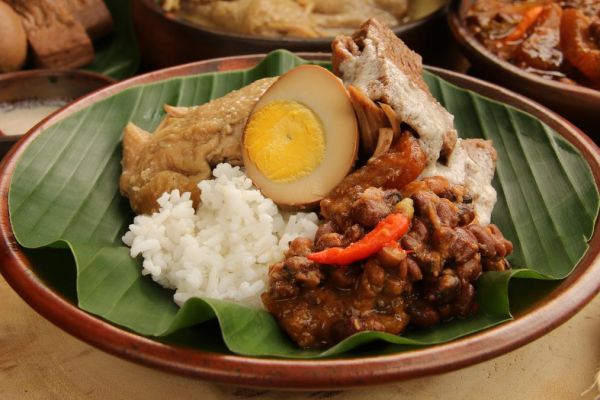
5 Must-Try Foods in Yogyakarta: A Taste of Jogja
A trip to Yogyakarta is not complete without tasting its local food. Known as one of Indonesia's cultural centers, Jogja has a culinary tradition that reflects the character of its people: warm, comforting, flavorful, and deeply connected to everyday life. From smoky goat satay cooked over charcoal to comforting bowls of noodles and spicy dishes that live up to their name, there are plenty of reasons to explore Yogyakarta through food. If you're wondering what to eat in Yogyakarta, here are five local dishes you should not miss. 1. Sate Klathak – Yogyakarta's Unique Goat SatayLet's start with one of the most distinctive dishes you can find around Yogyakarta: Sate Klathak. Unlike ordinary satay, Sate Klathak is made from goat meat and traditionally grilled using iron skewers, often made from bicycle spokes. The metal helps conduct heat into the meat while it cooks over charcoal. The seasoning is deliberately simple, allowing the flavor of the goat meat and the smoky aroma from the grill to stand out.Sate Klathak is traditionally associated with the Jejeran and Wonokromo areas of Bantul, where the dish developed as part of the local culinary tradition. It was also recognized as Indonesian Intangible Cultural Heritage in 2019. The satay is commonly served with rice and a warm bowl of gulai broth.Why try it?Because it doesn't taste like ordinary satay. The simple seasoning, large pieces of goat meat, charcoal grilling, and unusual metal skewers make Sate Klathak a uniquely Yogyakarta experience.2. Gudeg – The Dish That Defines JogjaAsk someone to name a food associated with Yogyakarta, and Gudeg will probably be the first answer. Gudeg is made from young jackfruit that is slowly cooked with coconut milk, palm sugar, and spices. The long cooking process gives it a distinctive brown color and its characteristic sweet and savory flavor. A traditional serving of gudeg usually comes with rice and several side dishes, such as chicken, eggs, tofu or tempeh, and sambal krecek.The contrast is what makes the meal interesting: sweet and rich gudeg meets the spicy, savory taste of sambal krecek. Gudeg has become so closely associated with the city that Yogyakarta is often known as the City of Gudeg.Why try it?Because gudeg isn't simply a local dish. It is one of the culinary symbols of Yogyakarta and an important part of the city's cultural identity. 3. Bakmi Jawa – A Bowl of Noodles with a Javanese TouchFor a comforting dinner after a day of exploring Jogja, try Bakmi Jawa. This traditional Javanese noodle dish is available in several versions, including bakmi goreng (fried noodles) and bakmi godhog (noodle soup). What makes Bakmi Jawa special is the way it is traditionally prepared. Many vendors cook each portion individually, often using a charcoal stove or anglo. The noodles are combined with ingredients such as chicken, egg, vegetables, and a savory broth or seasoning.The cooking process can take a little longer than fast-food noodles—but that's part of the experience. In the evening, you'll often find small Bakmi Jawa stalls filled with locals enjoying a hot plate or bowl of noodles.Why try it?Because Bakmi Jawa gives you a taste of everyday Yogyakarta: simple food, traditional cooking techniques, and a relaxed evening atmosphere. 4. Oseng Mercon – Yogyakarta's Explosive Spicy DishThink you can handle spicy food? Then you have to try Oseng Mercon. The word mercon means firecracker, and the name perfectly describes the explosive chili kick of this dish. Oseng Mercon is typically made with beef cuts such as kikil, fat, skin, or other beef parts, stir-fried with generous amounts of bird's eye chili and oil.One of the most famous versions is associated with Bu Narti, whose stall helped popularize the dish in Yogyakarta. The dish became known for its intense spiciness and became a favorite among late-night food seekers. Eat it with hot steamed rice and prepare yourself for a serious kick.Why try it?Because it offers something completely different from the sweet flavors often associated with Javanese cuisine. A word of warning: if you don't usually eat spicy food, start slowly! 5. Soto – A Comforting Bowl for Any Time of DaySometimes, the best local food is the simplest. Soto is one of Indonesia's most popular traditional soups, and Yogyakarta has its own local variations. A typical bowl combines a flavorful broth with ingredients such as chicken or beef, rice or noodles, vegetables, and fresh herbs. The exact recipe can vary from one vendor to another, which is part of the fun of exploring local soto.In Yogyakarta, you can find soto at traditional food stalls, markets, and neighborhood eateries. Some places serve it early in the morning, making it a popular breakfast option, while others are open throughout the day. For travelers, soto is an easy introduction to Indonesian food: warm, aromatic, filling, and customizable with chili, lime, or other condiments.Why try it?Because sometimes you don't need an elaborate meal. A hot bowl of soto at a small local warung can be one of the most authentic ways to experience everyday food culture in Jogja. Taste Yogyakarta Beyond the Tourist AttractionsYogyakarta is famous for its temples, royal heritage, traditional arts, and beautiful landscapes. But there is another way to understand the city: through its food. Try the smoky Sate Klathak in Bantul. Taste the sweet and savory Gudeg that made Jogja famous. Enjoy a late-night plate of Bakmi Jawa. Challenge yourself with fiery Oseng Mercon. And sit down with a comforting bowl of Soto at a local warung.Each dish tells a different story about Yogyakarta—its ingredients, traditions, communities, and everyday way of life. So when you visit Jogja, don't just ask:“What should I see?”Ask:“What should I taste?”Because sometimes, the best way to discover a city is one delicious plate at a time.
Baca Selengkapnya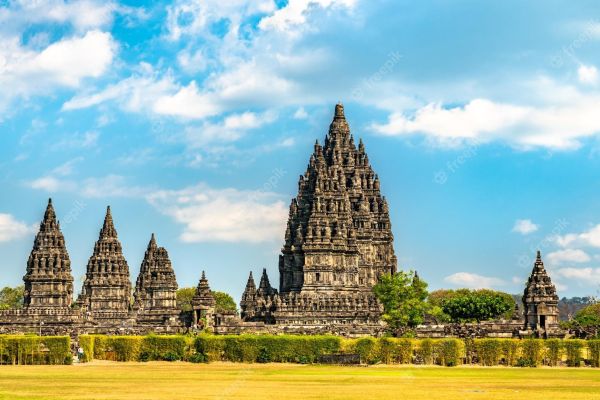
7 Fascinating Facts About Prambanan Temple You Should Know
Rising dramatically above the landscape between Yogyakarta and Central Java, Prambanan Temple is one of Indonesia's most spectacular Hindu monuments. With its towering spires, intricate stone carvings, and stories of gods, heroes, and ancient kingdoms, Prambanan is much more than a beautiful place to visit. It is a remarkable window into the history and religious traditions of ancient Java. Planning to visit Prambanan? Here are 7 fascinating facts about Prambanan Temple that will make your visit even more interesting. 1. Prambanan Was Built in the 9th CenturyPrambanan dates back to the 9th century, during the era of the Ancient Mataram Kingdom in Java. The temple complex was built as a Hindu religious complex and is dedicated to the Trimurti—the three major Hindu deities: Shiva, Vishnu, and Brahma. The scale and architectural sophistication of Prambanan show the remarkable achievements of Javanese civilization more than a thousand years ago. 2. The Main Temple Is Dedicated to ShivaAt the heart of Prambanan stand three magnificent temples dedicated to the Trimurti. The largest and tallest is the Shiva Temple, rising approximately 47 meters above the ground. Beside it stand the temples dedicated to Brahma and Vishnu. The Shiva Temple dominates the skyline and is one of the most recognizable features of Prambanan. For this reason, UNESCO describes the Prambanan Temple Compounds as the largest temple compound dedicated to Shiva in Indonesia. 3. Prambanan Is More Than Just One TempleWhen people say “Prambanan,” they often imagine the three tall temples in the center. But the Prambanan Temple Compounds are much larger. Prambanan Temple itself consists of 240 temples, while the UNESCO World Heritage property also includes other important temple complexes, including Sewu, Lumbung, and Bubrah. Altogether, the compound contains more than 500 temples and structures in various conditions. One of the most fascinating things about the area is that Sewu Temple is Buddhist, while Prambanan is Hindu. This makes the archaeological landscape an extraordinary reminder of the coexistence of different religious traditions in ancient Java. 4. The Walls Tell the Story of the RamayanaWalk around Prambanan and look closely at the stone walls. You will find beautifully carved reliefs depicting scenes from the Ramayana, one of the great Hindu epics. The story follows Rama, Sita, Lakshmana, Hanuman, and their struggle against Ravana. At Prambanan, the story is transformed into a series of stone carvings that can be followed as visitors move through the temple complex. The Ramayana story is still alive in Yogyakarta today through performances such as the Ramayana Ballet, creating a fascinating connection between ancient stone carvings and contemporary performing arts. 5. The Legend of Roro Jonggrang Is Connected to PrambananPrambanan is closely associated with one of Java's most famous legends: Roro Jonggrang. According to the traditional story, a powerful prince named Bandung Bondowoso fell in love with Princess Roro Jonggrang. She gave him an almost impossible challenge—to build 1,000 temples in a single night. The story ends with a dramatic deception and the princess being transformed into stone. Although this is a folklore tradition rather than the historical explanation for Prambanan's construction, the legend remains deeply connected to the cultural identity of the temple and is one of the stories visitors often hear when exploring the site. 6. Prambanan Has Survived Earthquakes, Eruptions, and Centuries of NeglectAfter its period of prominence, Prambanan was eventually abandoned and suffered damage from natural disasters, including earthquakes and volcanic activity. The temples also deteriorated over centuries of neglect. The complex was rediscovered in the 18th century, and systematic restoration began much later. Restoration has continued for generations, using both traditional stone-working techniques and modern conservation methods. The preservation work is particularly important because Java remains vulnerable to earthquakes and volcanic activity. So when you look at Prambanan today, you are not simply looking at an ancient building—you are looking at the result of centuries of survival and conservation. 7. Prambanan Became a UNESCO World Heritage Site in 1991In 1991, the Prambanan Temple Compounds were inscribed on the UNESCO World Heritage List because of their outstanding cultural, architectural, and religious significance. UNESCO recognizes Prambanan as an outstanding example of classical Hindu architecture and art in Indonesia. The site is particularly remarkable because it brings together monumental architecture, religious symbolism, stone sculpture, and narrative reliefs within a single archaeological landscape. More Than a Beautiful TemplePrambanan is easy to admire from a distance. Its tall towers, dramatic silhouette, and intricate carvings make it one of the most photogenic places near Yogyakarta. But look closer, and another story emerges.A story of ancient kingdoms.A story of Hindu and Buddhist traditions.A story carved into stone.And a story that is still told through legends, dance, and local culture today.So when you visit Prambanan, take your time. Look beyond the photographs, follow the reliefs, listen to the stories, and imagine the civilization that created this extraordinary monument more than a thousand years ago.Because Prambanan is not just a temple to see—it is a story to discover.
Baca SelengkapnyaWhat Our Guests Say
Reviews from guests who have joined our tours
← Swipe to see more →
Ready to Explore Indonesia?
Contact us for more information or book your trip today. Our team is ready to help!
Start Your Adventure